Survival Tips
Permafrost Survival Tips (2026) – Warmth, Food & Blizzard Guide
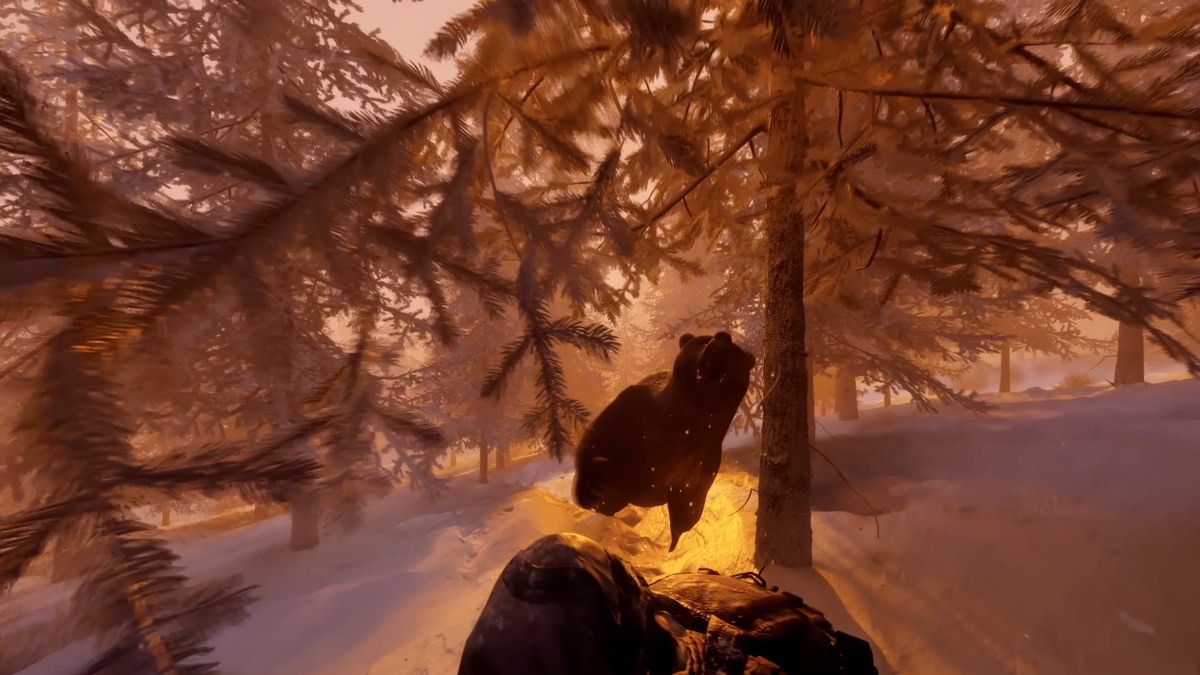
Managing cold in a game set in a post-apocalyptic ice age sounds straightforward — stay warm, don't starve. In Permafrost, it's far more nuanced. The four survival meters interact constantly: a cold body burns calories faster, a hungry body resists cold less effectively, and dehydration makes both problems harder to manage. Understanding these interactions — not just reacting to each meter in isolation — is what separates a survivor who thrives from one who dies cold and confused three sessions in. This guide covers the Permafrost survival tips that matter most: how the temperature system works, eight reliable methods to stay warm, where to find food and water, how to read a blizzard before it kills you, which areas to avoid early, and five advanced techniques for players who've made it past day three. New players should start with our Permafrost beginner's guide first — this guide assumes you have the basics covered.
Understanding the Temperature System
Temperature in Permafrost is not a single static number — it's the result of several competing forces applied to your body every second you spend outdoors. Your core body temperature (the meter on your HUD) loses heat continuously, and the rate of loss depends on three main factors: ambient temperature, wind chill, and your clothing's insulation value.
Ambient temperature varies by location, elevation and time of day. Open plains at altitude during the dead of night can be 20°C colder than a sheltered valley at noon. Learning where you are on this temperature scale during any given trip helps you estimate how long you can safely stay outside before you need to return to heat.
Wind chill multiplies ambient temperature loss. Standing in a strong wind during a cold snap doesn't just feel colder — it actively strips heat from your body faster than a still night at the same ambient reading. Travel in the lee of terrain features whenever the wind picks up, and avoid crossing exposed ridgelines during windy conditions.
Clothing insulation is your passive buffer against both factors. Each garment you wear carries a warmth rating that reduces your heat loss rate. Stacking fur and hide layers — covering head, torso, legs, hands and feet — is the single most impactful long-term investment in your survival. Frostbite penalties begin to stack once your temperature drops below a critical threshold: fingers and toes go numb first, then performance debuffs reduce your sprint speed and tool effectiveness. Reach a fire before hitting that threshold, not after.
How to Stay Warm – 8 Proven Methods
These are the eight most reliable ways to maintain body heat in Permafrost, ordered from the most immediately accessible to the most resource-intensive. The best survivors use all of them in combination rather than relying on any single method.
- Build a campfire and stand close. A lit campfire restores body temperature faster than any other method in the game. Standing within its warmth radius — indicated by the visual heat glow around the fire — recovers heat at maximum rate. This is your first resort in any warmth emergency and your baseline warming method throughout the early game.
- Craft fur and hide clothing immediately. Each clothing layer directly reduces your passive heat loss rate. A complete fur set covering head, torso, hands and legs can more than double your safe time outdoors between fire visits. No other single craft investment pays off as consistently over the length of a run. Do not delay this.
- Sleep indoors beside a heat source. Sleeping in a sheltered structure with a firepit or furnace nearby restores your temperature fully overnight while simultaneously recovering hunger and stamina. Sleeping outside in the cold drains heat even while you rest, leaving you colder at dawn than at dusk. Always sleep sheltered.
- Move through sheltered terrain. Rock faces, ruined walls, dense tree lines and ridge interiors all reduce wind exposure significantly. Routing your expeditions through these natural corridors instead of crossing open ground can cut your heat loss rate by a measurable amount over a long trip. This is especially important during high-wind conditions.
- Keep your stomach full. Hunger directly accelerates heat loss. A well-fed body holds warmth more effectively than a starving one — this is a core mechanic, not just a flavour effect. Eat before heading out, carry food on long trips, and treat managing your hunger meter as an act of thermal management, not just calorie tracking.
- Carry fire-starting materials on every trip. A portable fire kit lets you create a warming stop anywhere in the world. Even a short three-minute fire stop in the middle of an expedition can restore enough heat to complete your route safely. Never leave base without the materials to start a fire — it's insurance for every trip you take.
- Dry off immediately after any water exposure. Wet clothing loses the majority of its insulation value. Falling through ice, wading through water or being caught in heavy sleet can drop your effective warmth rating to near zero regardless of how many layers you're wearing. Strip your gear and dry it by a fire the moment you reach safety — treat water exposure as an immediate emergency, not an inconvenience.
- Build an enclosed shelter with an indoor heat source. Four walls, a roof and an indoor firepit create a contained micro-environment where the temperature stays well above outdoor levels even during a blizzard. This is your ultimate long-term warming strategy and the point where Permafrost shifts from reactive survival to genuine control over your situation.
Food and Water in Permafrost
Hunger and thirst operate differently in Permafrost than in most survival games because of how deeply they interact with cold. Your body burns calories faster when you're cold — this is a deliberate game mechanic, not just flavour. A survivor in wet, exposed conditions with an empty stomach can drain the hunger meter in a fraction of the time it takes in warm, sheltered circumstances. Managing food isn't reactive; it's a pre-emptive act of thermal management.
Food sources, in priority order:
- Hunted meat (cooked): The most calorie-dense and dependable food source available. Always cook meat over a fire before eating — raw meat triggers an illness debuff that stacks on top of every other survival problem you're already managing, making a bad situation worse.
- Foraged berries and roots: Situational and less filling than meat, but free and fast to collect during travel. Use them to top off the hunger meter between hunts, not as a primary food source. Seasonality may affect availability.
- Scavenged preserved food: Found in abandoned structures and ruins. Rare and uneven in distribution, but calorie-efficient with no preparation required. Check every structure you enter — preserved food makes long expeditions far safer.
For water, the answer in a frozen world is almost always snow. Every snow bank is a potential water source — collect it in any container and melt it over any heat source. Always carry a filled canteen on expeditions and refill at base before departure. Dehydration creeps up more slowly than hunger, but its effect on stamina regeneration means it quietly makes every other problem harder to manage. Drink before the meter shows red, not after.
Surviving Blizzards
Blizzards are Permafrost's most decisive weather event. When a full storm hits, outdoor temperature can drop sharply below its normal ambient level, wind strips heat at double or triple the normal rate, and visibility collapses to single-digit meters. A survivor caught in the open during a blizzard without a plan is, in almost every case, already committed to a very bad outcome.
Reading the warning signs
The sky darkens faster than the normal day cycle. Cloud cover rolls in from a consistent direction and thickens quickly. Wind noise increases audibly before the snow arrives. Your dog companion is the most reliable blizzard detector in the game — it will stop moving, orient itself toward the incoming weather, and refuse to proceed. When your dog behaves this way unprompted, stop what you're doing and move to shelter immediately. Do not finish your current task. Do not gather one more armload of wood. Get inside.
Blizzard survival checklist
Before any storm hits, your shelter should have:
- At least 20 units of fuel in your indoor firepit or furnace
- Cooked food reserves sufficient for several hours of waiting
- At least one full canteen of drinkable water
- All exterior gaps, doorways or openings sealed or covered to prevent wind penetration
- Your dog companion recalled and secured inside
Caught outside during a blizzard
Stop moving directionally and find the nearest solid windbreak — a rock face, building wall or dense terrain cluster. Start a fire immediately if you have the materials; even a short warming stop can save your life. Prioritise getting into any enclosed structure — even a ruin with a partial roof — over attempting to navigate back to your base through near-zero visibility. The moment conditions improve and you can see clearly, move quickly and directly home. Wandering through a blizzard without a reliable bearing is one of the most common and preventable ways to die in Permafrost.
Danger Zones – Where Not to Go Early
Not all of the frozen world is equally survivable in the early game. Certain areas demand gear, preparation and experience you won't have in your first several sessions. Entering them prematurely doesn't just risk your character — it risks losing significant progress when the terrain kills you faster than you can react.
Avoid these zones until you have at least two full clothing tiers, a reliable weapon, cooked food reserves and fire-starting materials:
⚠ High-Risk Areas – Avoid Until Geared
- High-altitude exposed ridgelines: Wind chill at elevation makes these areas lethal at ambient temperatures that would be manageable in a valley below. Visibility also drops fast, removing your ability to navigate back safely.
- Large open frozen lakes and water bodies: Thin ice risk, zero wind cover, and the catastrophic outcome of breaking through into near-freezing water make these areas a trap for underprepared survivors.
- Deep-map abandoned structures and urban ruins: Higher-threat wildlife, structural hazards, and the critical distance from your base if something goes wrong combine to make these punishing without the gear to handle them.
- Any area your dog companion refuses to enter without being provoked: The dog companion's instincts are a genuine game system. If it won't go, there's a reason — respect it.
Advanced Survival Tips
Once you've stabilised past the first three days — base secured, fire reliable, clothing crafted, food stockpiled — these techniques push your survival run significantly further and eliminate the reactive scramble that defines early-game play.
- Build heat redundancy into your shelter. A single firepit is a single point of failure. A second heat source on the opposite side of your base means one fire going out during sleep doesn't wake you to a hypothermia emergency. Two heat sources also warm a larger shelter more evenly, reducing the cold spots that drain temperature near exterior walls.
- Schedule expeditions around the temperature window. The warmest part of the Permafrost day — mid-morning to early afternoon — is when ambient temperature is highest and wind tends to be calmer. Reserve this window for long-distance resource runs. Use the colder pre-dawn and post-dusk hours for indoor crafting, base maintenance and rest.
- Mark safe waypoints along your regular routes. Identify every reliable heat source, ruined structure with cover and natural windbreak between your base and your common resource areas. Knowing exactly where your next warming stop is makes every trip a calculated plan rather than a desperate race.
- Prioritise clothing over food in your first hunts. The warmth value of a complete fur clothing set outperforms almost every other early investment because it compounds across every minute you spend outdoors for the rest of the run. Hunting for hide and fur before hunting primarily for meat is the counterintuitive move that experienced players make — and it dramatically extends safe outdoor time from the moment the clothing is finished.
- Maintain a dedicated fuel reserve separate from your main wood stockpile. Keep a small emergency fuel cache specifically for your firepit, separate from general wood reserves. When you're exhausted, cold and returning from a long expedition, having clearly designated fuel means you relight your fire in seconds instead of fumbling through a mixed stockpile in a dangerous condition.
⚡ 5 Key Survival Tips
- Warm up to full before every expedition, even short ones. A cold start compounds every problem you encounter outdoors and cuts your safe operating time before it begins.
- Your dog companion detects blizzards before the visual cues appear. If it stops and refuses to move, get indoors immediately — no task is worth the delay.
- Never eat raw meat. The illness debuff stacks on top of cold, hunger and fatigue, creating a cascading emergency from what should have been a quick calorie fix.
- Wind direction changes your heat loss rate noticeably. Running into the wind costs significantly more body heat than moving with it at your back — factor this into route planning.
- Keep at least 20 units of fuel at camp at all times. You will be grateful on the third consecutive night of a multi-day storm when you don't have to go out to gather wood.
Survival FAQs
How do I stop freezing to death in Permafrost?
The fastest fix is warmth in layers: a campfire to restore temperature quickly, and fur clothing to slow how fast you lose it. Long-term, build an enclosed shelter with an indoor heat source, learn to read the terrain for natural windbreaks, and always warm to full before heading out. Frostbite penalties stack quickly once your temperature goes critical — get to fire before the meter reaches the danger zone, not after.
How do I find food in the early game?
Hunting is your primary food source from day one. Use your dog companion to track and flush animals, then process kills into cooked meat over a campfire — always cook before eating, as raw meat triggers an illness debuff that creates a separate emergency. Supplement hunted meat with foraged berries and roots where available, and search every ruin or abandoned structure you enter for preserved food. For a full breakdown of crafting food stations, see our Permafrost crafting guide.
How long do blizzards last in Permafrost?
Blizzards vary in duration and intensity. Short storms pass in under an hour of in-game time; larger systems can pin you down for several in-game days. The key is not predicting the exact duration but being positioned to wait them out safely regardless of how long they last. Keep your shelter stocked with enough fuel, food and water to survive an extended stay — a blizzard that lasts twice as long as expected should be an inconvenience, not a death sentence.