Crafting Guide
Permafrost Crafting Guide (2026) – All Recipes & Materials
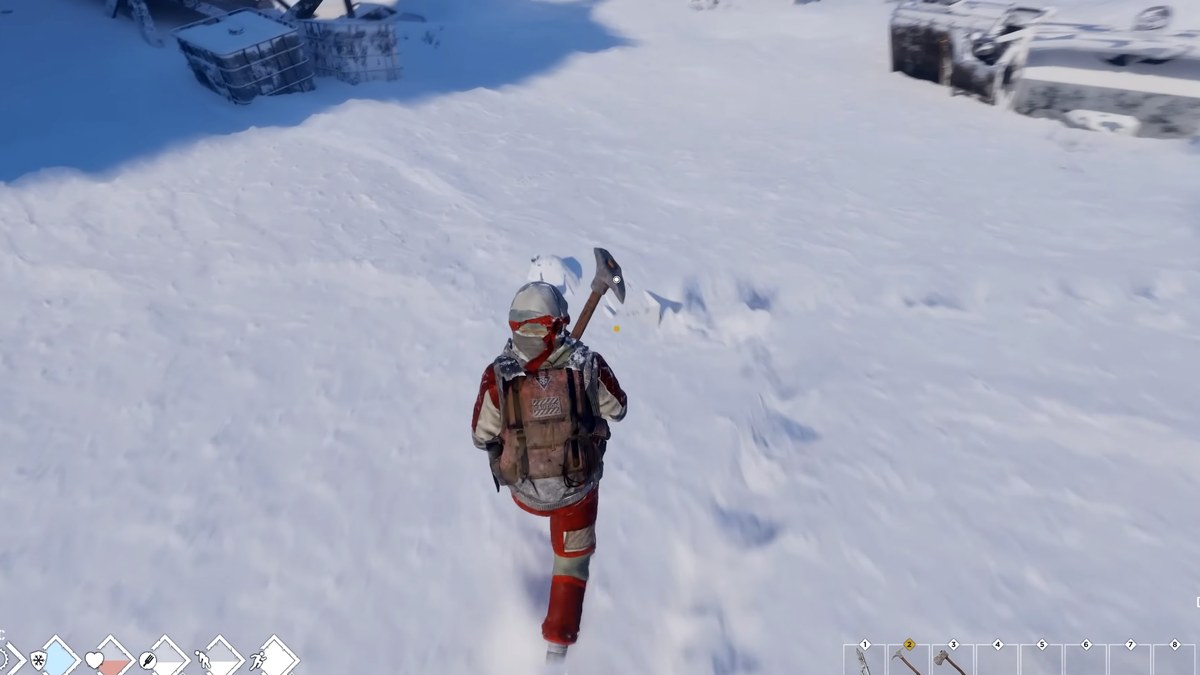
Every step forward in Permafrost runs through the crafting system. Your first stone axe, your first fur coat, your first fortified shelter — all of it starts with knowing which materials to gather and which recipes to prioritise. This Permafrost crafting guide covers the complete recipe list across both early and advanced tiers, the materials each recipe requires, where to find those materials in the frozen world, and the crafting techniques that separate survivors who thrive from survivors who spend every session rebuilding from scratch. Whether you're looking for specific Permafrost crafting recipes, trying to understand how to unlock advanced items, or just need a clear priority order for your first session, this guide covers everything. New players should pair this with our Permafrost beginner's guide for the survival basics before diving into the full recipe list here.
How Crafting Works in Permafrost
Permafrost uses a tiered crafting system built around two distinct modes: hand-crafting and workstation crafting. Basic items — stone tools, a campfire, crude wrappings — can be made directly from your inventory using only the materials you're carrying. No station required. More advanced recipes unlock when you build specific workstations: a Crafting Bench for mid-tier tools and clothing, a Forge for metal processing and Tier 3 gear.
The underlying logic is a dependency chain. Raw materials yield basic tools; basic tools let you gather better materials; better materials unlock workstations; workstations open advanced recipes. Skipping steps in this chain is almost never faster — you'll find yourself missing a prerequisite material or workstation and wasting a trip. The players who progress most efficiently are the ones who treat crafting as a deliberate sequence rather than reacting to whatever they happen to have gathered.
Recipes that are available but locked behind a missing workstation appear greyed out in the crafting menu with the requirement listed beneath them. This makes it clear exactly what you need to build next, and means you never have to guess why a recipe isn't available. Build the chain in order and the crafting system rewards you at every step.
Essential Early Game Recipes
These fifteen recipes cover the four categories every new survivor needs in their first several sessions: tools to gather faster, clothing to stay warm longer, food to stay fed safely, and building materials to construct a basic shelter. All of them are hand-craftable or require only a Campfire — no advanced workstation needed. Quantities listed are typical base costs and may vary slightly as Early Access balance updates land.
| Item | Category | Materials Required | Use Case |
|---|---|---|---|
| Stone Axe | Tool | 3× Frost Timber, 2× Flint Stone | Chops trees at double speed; dramatically reduces wood-gathering time |
| Stone Pickaxe | Tool | 3× Frost Timber, 3× Flint Stone | Mines rock outcrops and early ore deposits; required for stone gathering |
| Crude Knife | Tool | 2× Frost Timber, 2× Flint Stone | Skins animals for Frozen Hide and Sinew; harvests Fiber from plants |
| Bone Awl | Tool | 2× Animal Bone, 1× Sinew | Punctures and stitches hide; required as a crafting component for clothing |
| Wooden Spear | Tool | 3× Frost Timber, 1× Flint Stone | Primary hunting and self-defense weapon; covers both roles in one early craft |
| Fiber Wrap | Clothing | 4× Plant Fiber | Minimal but immediate torso insulation; bridges the gap before fur clothing |
| Fur Hood | Clothing | 3× Frozen Hide, 2× Sinew | Head warmth; significantly slows heat loss from the most exposed body part |
| Fur Coat | Clothing | 5× Frozen Hide, 3× Sinew | Core warmth layer; the single biggest insulation boost available in early game |
| Hide Gloves | Clothing | 2× Frozen Hide, 1× Sinew | Hand warmth; prevents frostbite penalty debuff during prolonged outdoor work |
| Bark Canteen | Tool | 3× Bark Strip, 1× Sinew | Carries melted snow water on expeditions; prevents dehydration away from base |
| Campfire | Build | 5× Frost Timber, 2× Flint Stone | Heat source, cooking station and melting point for snow water; your first structure |
| Roasted Meat | Food | 1× Raw Meat + Campfire | Safe, calorie-dense food; eliminates illness risk from raw consumption |
| Wooden Wall | Build | 6× Frost Timber, 2× Plant Fiber | Basic shelter panel; blocks wind to reduce heat loss inside your camp |
| Thatch Roof | Build | 5× Frost Timber, 4× Dry Grass | Seals heat inside a shelter; required to complete an enclosed warming space |
| Stone Firepit | Build | 8× Flint Stone, 4× Frost Timber | Permanent indoor heat source; more fuel-efficient than an open campfire |
Mid Game Crafting Priorities
Once you have a working campfire, basic clothing and a spear, the mid game opens with one central task: building a Crafting Bench. This single structure unlocks the majority of mid-tier recipes and is the gateway to everything that follows. It requires Frost Timber, Scrap Iron and Sinew — meaning your first priority is finding Scrap Iron from abandoned structures or ruins near your base.
With a Crafting Bench in place, your mid-game crafting sequence should follow this order:
- Reinforced tools — upgrade your Stone Axe and Pickaxe to Bone or Iron-reinforced versions for better yield and durability. Gathering time drops significantly and means fewer cold-exposed resource runs.
- Full fur clothing set — if you haven't completed a head-to-toe fur outfit yet, finish it now. Fur Hood, Fur Coat, Hide Gloves and Hide Boots together eliminate passive cold loss in most non-blizzard conditions.
- Hunting Bow — unlocked at the Crafting Bench, the bow opens ranged hunting and is the most efficient way to supply a steady stream of meat and hide without engaging dangerous prey in close quarters.
- Cooking Station — an upgrade from the basic Campfire that processes food more efficiently and allows preservation recipes that extend your food reserves significantly.
- Storage structures — dedicated storage chests let you organise materials by category and always know what you have on hand before starting a crafting session, eliminating wasted gathering trips.
The mid game is also when you should begin scouting locations for a Forge. Building one requires significant Flint Stone and Scrap Iron — more than you'll have from early looting — so begin stockpiling both materials before you need them. Our Permafrost base building guide covers where to position a Forge efficiently within your shelter layout.
Advanced Crafting Items
Advanced recipes require a Forge and in some cases a fully upgraded Crafting Bench. These items represent a meaningful power jump in both gathering efficiency and warmth — reaching this tier is the point where survival becomes comfortable rather than constant crisis management. All materials listed assume a functioning Forge is already in place.
| Item | Category | Materials Required | Benefit |
|---|---|---|---|
| Iron Axe | Tool | 2× Scrap Iron, 3× Frost Timber, 1× Sinew | Doubles wood yield per swing; fastest chopping speed available in Early Access |
| Iron Pickaxe | Tool | 2× Scrap Iron, 3× Frost Timber, 1× Sinew | Accesses deep mineral veins and iron ore deposits locked to stone tools |
| Hunting Bow | Tool | 4× Frost Timber, 3× Sinew, 1× Frozen Hide | Ranged hunting at safe distance; ideal for taking skittish or aggressive prey |
| Iron-Tipped Spear | Tool | 1× Scrap Iron, 3× Frost Timber, 1× Sinew | High single-hit damage; effective against large wildlife; longer durability than stone |
| Iron Blade | Tool | 2× Scrap Iron, 1× Frost Timber | Fast close-range weapon; also functions as an improved skinning tool |
| Insulated Coat | Clothing | 4× Frozen Hide, 3× Wolf Fur, 3× Sinew | Maximum warmth tier; eliminates passive heat loss in most non-blizzard outdoor conditions |
| Snow Boots | Clothing | 3× Frozen Hide, 1× Scrap Iron, 2× Sinew | Reduces movement speed penalty in deep snow; improved grip on icy surfaces |
| Forge | Build | 12× Flint Stone, 6× Scrap Iron, 4× Frost Timber | Processes ore into refined metal; unlocks every Tier 3 recipe in the crafting system |
| Crafting Bench | Build | 10× Frost Timber, 4× Scrap Iron, 4× Sinew | Unlocks mid-tier and advanced recipes; the most important early-to-mid workstation |
| Smoking Rack | Food | 6× Frost Timber, 2× Sinew, 2× Flint Stone | Preserves raw or cooked meat for long-term storage; prevents spoilage over time |
Crafting Materials – Where to Find Them
Knowing which recipe to craft is only half the equation. Knowing exactly where to gather the required materials — and how to do it efficiently — determines how quickly you can progress through the crafting tiers. The materials below are the core of every Permafrost crafting recipe from early to advanced game.
- Frost Timber — harvested by chopping trees with any axe, or collected as fallen branches from the ground. Fallen branches require no tool and are the fastest source early. Dense forest areas yield the most Frost Timber per trip. Always collect more than you think you need; almost every recipe uses it.
- Flint Stone — gathered from rocky outcrops, cliff bases, riverbeds and loose stones on the ground. Stone Pickaxe improves yield from outcrops significantly. Plentiful in most terrain types; prioritise picking it up whenever you pass a cluster.
- Plant Fiber & Dry Grass — harvested from low shrubs, ground-cover plants and tall grass patches using a Crude Knife or by hand. Respawns over time. Fiber is used in nearly every early binding and clothing recipe, so gather it opportunistically on every foraging trip.
- Frozen Hide & Sinew — obtained by skinning hunted animals with a Crude Knife or better blade. Common animals (deer, small game) drop standard Frozen Hide; larger animals yield more per carcass. Sinew is extracted simultaneously during skinning. Prioritise hunting specifically for clothing crafting materials in early sessions.
- Animal Bone — collected from animal carcasses during or after the skinning process. Also found at old carcass sites scattered across the map. Used for Bone Awl and mid-tier reinforced tools; stockpile from every hunt rather than leaving bones behind.
- Bark Strip — peeled from any standing tree using a knife; does not require felling the tree. A fast source of crafting material for early containers and bindings. One tree yields several Bark Strips before requiring regrowth time.
- Scrap Iron — the most critical and hardest-to-find material. Found exclusively in abandoned structures, ruined vehicles and industrial ruins in explored areas of the map. Cannot be gathered from nature. Always search every building you enter thoroughly and dedicate storage specifically for Scrap Iron at base. Never use it carelessly — every unit counts toward your Forge and Crafting Bench.
- Wolf Fur — skinned from killed wolves, which are significantly more dangerous than common wildlife. Do not hunt wolves without a solid weapon, good clothing and your dog companion. Wolf Fur is the primary material for the Insulated Coat, the highest warmth-tier garment currently in the game.
Crafting Tips & Tricks
Understanding the recipe list gets you far. These five techniques get you further — they change how efficiently you move through the crafting tiers and eliminate the most common resource bottlenecks.
- Repair tools before they break, not after. A tool at 20% durability costs a fraction of its original materials to repair. A broken tool costs full materials to rebuild from scratch. Check tool condition at the end of every expedition and repair at your Crafting Bench before the next trip. This single habit reduces your material consumption significantly over a long run.
- Gather in batches sized to multiple crafts. Instead of gathering just enough for one item, calculate what you need for three or four crafts before leaving base. Each outdoor trip carries a cold exposure cost — fewer trips means less total warmth lost and less fuel spent recovering. Plan your gathering list before you go, not during.
- Maintain a component buffer at your Crafting Bench. Pre-craft common intermediate components — Sinew cord lengths, handled blanks, stripped fiber — and keep a small stock of each ready at your station. When you need to craft quickly (during a blizzard, returning from an emergency expedition), these buffers let you complete recipes without a separate gathering run.
- Position every workstation beside your indoor heat source. Crafting while warm is faster and safer than crafting while cold. A base layout where your Campfire or Firepit, Crafting Bench and storage are within two steps of each other eliminates passive temperature loss during long crafting sessions. See our base building guide for optimal station layout designs.
- Upgrade clothing before upgrading weapons. A higher-tier weapon improves combat and hunting outcomes. A higher-tier clothing set improves every single minute you spend outdoors for the rest of the run. The warmth multiplier from full Insulated Coat gear extends gathering trips, hunt durations and exploration range simultaneously — no single weapon upgrade matches that breadth of impact.
⚡ 5 Key Crafting Tips
- Stone Axe first, every run. It costs almost nothing and immediately multiplies every wood-gathering trip. No other early craft has a better return per material spent.
- Never skip the Bark Canteen. Dehydration on a long crafting expedition kills runs that cold and hunger wouldn't have. Three materials; enormous QoL improvement.
- Save Scrap Iron exclusively for the Crafting Bench and Forge. Do not spend it on minor items. Every unit of Scrap Iron spent on anything else delays your Forge by that exact amount.
- Skin every animal you kill, even if you don't need meat. Frozen Hide and Sinew stack fast and are always needed for the next clothing tier. Never leave a carcass unskinned.
- When in doubt about what to craft next, ask: does it help me stay outside longer? Warmth gear always wins that question in the early and mid game.
Crafting FAQs
What should I craft first in Permafrost?
Craft a Stone Axe first — it costs only Frost Timber and Flint Stone, and it immediately doubles your wood-gathering speed. Follow it with a Campfire for warmth and cooking, then a Wooden Spear for hunting, then Fur Clothing as soon as you have Frozen Hide. This four-item sequence covers warmth, food and defense and gives you a stable foundation for everything that follows. For a full priority breakdown see the beginner's guide.
How do I unlock advanced crafting recipes in Permafrost?
Advanced recipes unlock by building workstations. A Crafting Bench opens mid-tier tool and clothing recipes; a Forge unlocks all metal and Tier 3 gear. Some recipes also require a prerequisite item to have been crafted first — the game shows locked recipes in grey with the requirement listed beneath them. Build the Crafting Bench as your first major structure investment after you've secured warmth and food; it returns more value than any other single structure at that stage of the game.
Where do I find rare crafting materials in Permafrost?
Scrap Iron — the most critical rare material — is found exclusively in abandoned structures, ruined vehicles and industrial ruins in explored map areas. It does not spawn in nature. Wolf Fur comes from hunting wolves, which are more dangerous than common wildlife and should only be engaged with a reliable weapon and your dog companion. Sinew and Animal Bone are harvested from any animal carcass during the skinning process. Always search every ruin you enter and keep a dedicated Scrap Iron reserve — it's the material that determines how fast you reach the Forge.